
Blog

10 Best Pallet Rack Systems for Warehouse Storage

Warehouse space is expensive, and a poor storage layout can turn clear aisles into daily bottlenecks. Pallet Rack systems help organize inventory vertically, but the right choice depends on load weight, pallet dimensions, handling equipment, and how often products move. A rack that suits fast-moving cartons may not suit slow-moving reserve stock. Small details matter: a forklift’s turning radius, a sprinkler clearance, or one oversized pallet can change the plan.

The 2024 MHI Annual Industry Report, produced with Deloitte, found that 55% of surveyed supply-chain organizations were already using robotics and automation; 71% expected to adopt them within five years. That finding does not prove that automation fits every warehouse. It does show why rack layouts increasingly need to work alongside conveyors, autonomous mobile robots, and changing picking methods. Aisles and beam levels should be assessed against actual equipment and operating needs, not a sketch alone.

This guide compares ten widely used pallet rack systems, including selective, drive-in, push-back, and pallet-flow designs. Each offers trade-offs in access, density, and stock rotation. More storage density is not always better. In practice, a layout can look efficient on paper yet slow replenishment or complicate inspections. Treat the options as a shortlist, then confirm capacities and clearances with qualified professionals and the rack manufacturer. The best fit is the one that supports safe, dependable work in your specific building.
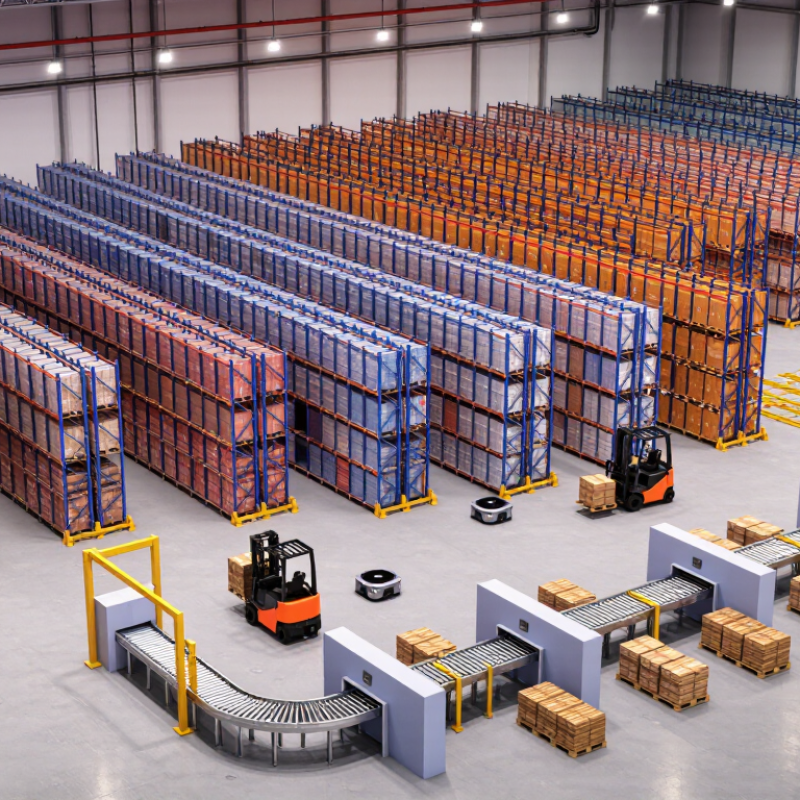
10 Best Pallet Rack Systems for Warehouse Storage

Understanding Pallet Rack Systems and Their Role in Warehousing

Pallet rack systems turn vertical space into accessible storage. In a busy warehouse, workers can place palletized goods on beams supported by upright frames, keeping inventory visible and reducing floor clutter. Rack selection depends on pallet dimensions, load weight, forklift type, and how often items move. A system that suits slow-moving reserve stock may frustrate a team picking orders all day. Small details matter: a few inches of clearance can affect safe handling.

Tips: Check pallet sizes and loaded weights before choosing a layout. Keep aisles wide enough for the equipment in use. Post load limits where workers can see them, and inspect frames and beams for impact damage or loosened connections. Follow the rack supplier’s installation and maintenance guidance.

Racking is part of a larger warehouse plan, not a shortcut to more capacity. Clear labels and consistent locations help staff find goods without needless travel. Stronger layouts also preserve access for inspection and everyday work. Yet no design stays perfect as inventory changes. A new pallet size or heavier product may require a review, even when the racks look fine. That check is easy to postpone. Don’t.

Evaluating Storage Needs, Space, and Load Requirements

Choosing a pallet rack system starts with the inventory, not the rack catalog. Record pallet length, width, height, and the heaviest loaded pallet. Include odd-sized loads; they often determine bay dimensions. Measure ceiling height, columns, doors, sprinkler lines, and usable aisle width. Measure twice. A floor plan should show turning space for the actual lift trucks, not just rack rows. Check whether fast-moving items need quick access and slower stock can be stored more densely.

Then match the rack layout to picking patterns. Selective racks provide direct access to many SKUs, while denser layouts may reduce access or require different handling equipment. Estimate peak inventory, daily pallet moves, and future growth; averages can hide seasonal congestion. Check beam and upright ratings for the intended load configuration, and confirm floor capacity and anchoring requirements with qualified professionals. That matters. A rack rated for one evenly distributed load may not suit a pallet with an uneven center of gravity. Leave some flexibility in the plan. Warehouses change, and an extra clearance can seem wasteful until a new product arrives. Review the layout with operators before purchase; they may notice blind corners and awkward turns that look fine on paper. Even a careful plan can miss something, so revisit it after real traffic begins.

Comparing 10 Leading Pallet Rack System Types

Pallet rack systems solve different storage problems, so comparing access, density, and handling needs matters more than choosing the tallest frame. Selective rack gives direct access to every pallet, but uses more aisle space. Double-deep rack stores pallets in two positions, increasing density while requiring reach equipment. Drive-in rack suits large batches of similar goods; drive-through allows entry from both ends. Both reduce selectivity. Watch the clearance.

Push-back rack stores several pallets per lane, with each new load moving the previous one backward. Pallet-flow rack uses gravity rollers for first-in, first-out movement, but requires careful attention to pallet condition and lane maintenance. Shuttle systems use powered carts to move pallets through deep lanes, reducing forklift travel while adding equipment and control requirements.

Cantilever rack handles long, irregular loads such as pipe or timber, unlike standard pallet beams. Mobile rack moves rows to open an aisle, trading fast access for higher storage density. High-bay rack uses vertical space effectively, though it needs suitable lifting equipment and precise installation. No type wins everywhere. A site review should check load weights, pallet sizes, inventory turnover, floor condition, and fire protection clearances. Small measurement errors can become expensive. Even a well-planned layout may need adjustment after real picking patterns emerge.

10 Best Pallet Rack Systems for Warehouse Storage

Comparing typical pallet loading and unloading access by rack type

The bars show the typical number of loading and unloading faces for a storage lane: one for single-entry layouts and two for through-lane layouts. This describes lane access, not the number of pallets stored or directly selectable; actual configurations vary by warehouse design.

Matching Rack Designs to Warehouse Operations

Matching pallet rack systems to warehouse operations starts with the movement of goods, not the rack catalog. Selective racks suit varied products and frequent access, while drive-in designs can increase storage density for larger groups of similar pallets. If workers pick individual cases, flow racks may keep fast-moving items closer to the dispatch area. Each design changes travel paths, replenishment work, and access. That matters.

Measure pallet dimensions, loaded weights, aisle widths, and ceiling height before choosing a layout. Check floor condition and required clearances with qualified professionals; published capacity figures depend on the specific configuration. A dense layout may look efficient on paper but cause congestion around busy pick faces. I have seen plans that seemed tidy until forklifts needed room to turn. Test the proposed routes against real handling equipment and daily order patterns.

Tips: Mark proposed aisles on the floor with tape. Walk the route during a busy shift. Review clearances, load labels, and inspection routines with trained staff. If a rack plan saves space but slows replenishment, reconsider the trade-off. Small trials can reveal problems early.

Planning for Safe Installation, Inspection, and Maintenance

A safe pallet rack installation begins with the loads it will actually carry, not a rough estimate. Record pallet weights, dimensions, beam levels, and the heaviest expected configuration. Compare these details with the rack’s rated capacity and the facility’s floor conditions. A concrete slab can look sound while hiding cracks or uneven areas. Have qualified professionals assess the layout, anchors, and clearances before storage begins. Leave enough room for forklifts to turn without brushing uprights. Small layout compromises can become expensive habits.

Installation quality matters. Uprights should be plumb, frames aligned, and anchors fitted as specified. Check that beams are fully seated and locking devices are present. Keep aisles clear during assembly, and do not improvise with damaged components. Even experienced crews can miss a detail when a schedule is tight. Pause and verify.

Inspection should be routine, documented, and easy for staff to report. Look for bent columns, loose anchors, displaced beams, missing locks, or fresh impact marks. A dent near floor level deserves attention, even if the rack still appears usable. We often miss quiet changes. Set clear steps for isolating a damaged bay and arranging a competent assessment before reloading it. Review inspection records and maintenance actions regularly; a checklist helps, but it cannot replace careful observation on the warehouse floor.

Go to Top