
Blog

China Best Sewer Line Cleaning Machine Supplier?

Choosing the best supplier in China starts with the work the machine must handle. A small urban contractor may need a compact unit for narrow streets and residential laterals. A municipal crew may need longer hose reach, steady water flow, and serviceable components for repeated shifts. A Sewer Line Cleaning Machine should match pipe diameters, typical blockage types, water availability, and transport limits. Specifications matter. So does the supplier’s ability to explain them clearly.

A fictional composite field specialist, Daniel Mercer, puts the core principle this way: “Choose a machine for the pipe, the blockage, and the crew—not just the pump rating.” That advice is useful, but it needs testing against real job conditions. Ask suppliers for operating details, maintenance schedules, spare-parts availability, and practical demonstrations. Check how the machine performs with roots, grease, and settled debris. Look closely at hose handling and control access. Small details affect daily work. A polished brochure cannot answer every question.

Supplier comparisons should also cover build quality, operator training, warranty terms, and after-sales support. Request documentation for the exact model being quoted, then confirm that stated performance suits your intended applications. Be cautious when claims sound unusually broad. Not every machine fits every sewer. A reliable supplier will discuss limitations, too. That conversation may reveal more than a low price ever could.
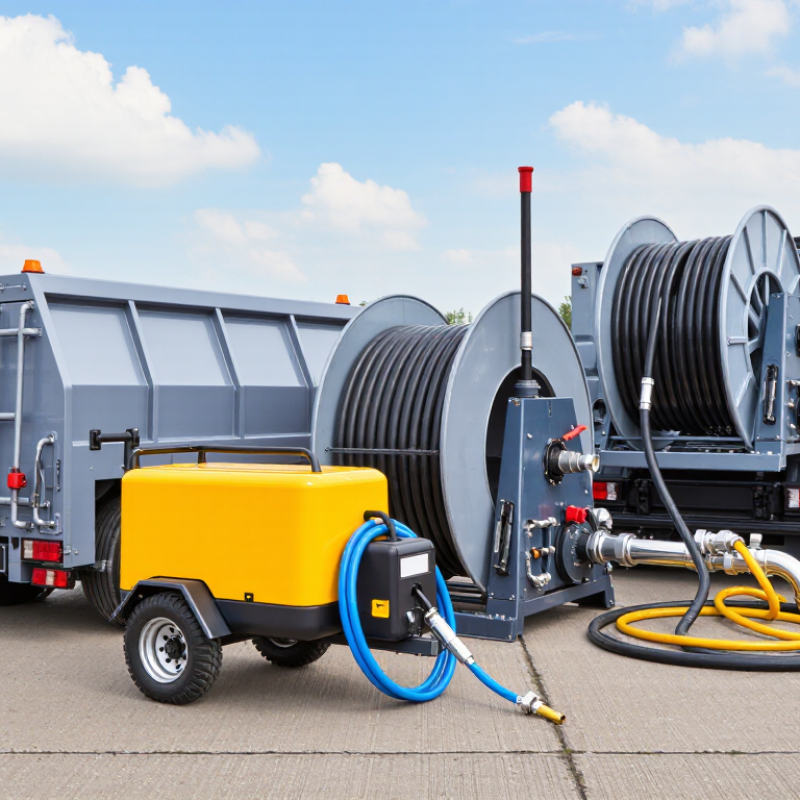
China Best Sewer Line Cleaning Machine Supplier?

Understanding Sewer Line Cleaning Machines and Their Uses

Sewer line cleaning machines restore flow by removing grease, sediment, scale, and small root intrusions. A cable machine drives a flexible steel cable through a pipe, using a cutting or retrieval head for localized blockages. A water jetter sends pressurized streams through a hose to flush debris from longer pipe sections. The best choice depends on pipe diameter, material, access, and the type of blockage. A camera inspection can help confirm what is inside before cleaning begins.

Tips: Check the pipe’s condition and machine instructions before work. Use protective equipment, control hose movement, and avoid excessive pressure. Record the blockage location and cleaning results for future maintenance.

Operators should match the tool to the problem, rather than assuming one machine handles every line. For example, a compact cable unit may suit a tight indoor cleanout, while jetting may be more practical for loose buildup across a longer run. In practice, diagnosis is not always neat: grease can hide a damaged joint, and repeated cleaning may point to a deeper issue. Stop if resistance changes sharply, and inspect the line instead of forcing the equipment onward.

Main Machine Types and Cleaning Technologies

Sewer line cleaning machines use different methods for different deposits. High-pressure jetters send water through a nozzle to break up grease, grit, and soft sediment. Nozzle choice matters: forward jets help clear blockages, while rear jets propel the hose and wash debris back. Cable machines use rotating cutters for localized obstructions, including roots, but operators must match the cutter to the pipe material. Combination sewer cleaners pair jetting with vacuum recovery, collecting loosened sludge in a debris tank. Not every blockage responds to water alone. CCTV inspection can help confirm what remains, though it is an assessment tool, not a cleaning method.

The U.S. EPA’s 2022 Clean Watersheds Needs Survey estimated $630.1 billion in wastewater and stormwater infrastructure needs over 20 years. This broad estimate is not a sewer-cleaner market figure; it does show the scale of systems that need upkeep. EPA’s 2016 survey separately estimated $271 billion in wastewater infrastructure needs over 25 years, using a different survey period and scope. Those figures should not be compared as a direct growth rate. For buyers, pipe diameter, access, blockage type, and disposal capacity are practical selection criteria. A compact jetter may suit narrow service lines; larger mains can require a truck-mounted jetter-vacuum unit. It is easy to overfocus on pump pressure. Hose handling and recovery capacity deserve attention too, and are sometimes overlooked.

China Best Sewer Line Cleaning Machine Supplier? - Main Machine Types and Cleaning Technologies

Machine Type Main Cleaning Technology Typical Applications Material It Can Address Key Advantages Important Considerations
Portable cable drain-cleaning machine A rotating flexible cable drives an interchangeable cutting head or retrieval tool through the line. Indoor drains, branch lines, and localized blockages in smaller pipes. Hair, grease accumulations, soft obstructions, and some root intrusions when a suitable cutter is used. Compact and useful for targeted work; interchangeable heads support different blockage types. May clear a passage without fully washing residue from the pipe. Select a cable and head suited to the pipe material and condition.
Sectional or drum sewer cable machine Powered rotating cable sections or a continuous drum cable carry cutting and retrieval tools into the sewer. Longer building drains and accessible sewer laterals where mechanical cutting is appropriate. Roots, scale, deposits, and other obstructions that can be cut, broken up, or retrieved. Offers mechanical force and a range of cutter shapes; sectional cable can be configured for different access conditions. Correct cable handling and operator protection are essential. Cutting may not remove all loose debris from the line.
High-pressure water jetter A high-pressure pump sends water through a hose and nozzle. Rear-facing jets propel the hose and wash debris toward the access point. Grease, sediment, and recurring deposits in drains and sewer lines with suitable access. Grease, sludge, sand, and loose or water-soluble deposits; specialized nozzles can address particular conditions. Can clean around the pipe circumference and transport loosened material out of the line. Pressure, flow, nozzle, and technique must suit the pipe material and condition. It may not remove hard scale or severe root masses without other methods.
Combination sewer cleaner (jetter and vacuum) Combines high-pressure water jetting with a vacuum system to recover water, sludge, and debris. Municipal sewer maintenance, catch basins, manholes, and jobs that produce substantial removed material. Jetting can loosen deposits; the vacuum system collects liquid, sludge, and debris from accessible locations. Combines cleaning and material recovery in one vehicle, helping manage debris on larger maintenance jobs. Vehicle size, setup space, water supply, disposal requirements, and access to the work area affect suitability.
Root-cutting chain flail system Rotating chains or a related cutting head are driven through the pipe, commonly by a powered cable or dedicated system. Removing established root intrusion and certain hard deposits where the pipe is suitable for mechanical cutting. Roots and selected scale or hard deposits, depending on the cutting head and pipe condition. Designed for aggressive cutting of obstructions that ordinary flushing may not clear. Can damage deteriorated, cracked, or vulnerable pipe. Inspection and careful tool selection are important before use.
Robotic sewer cutter A remotely operated in-pipe cutter uses a powered cutting head, often with live camera viewing. Targeted cutting, protruding connections, and localized obstructions in accessible sewer sections. Selected roots, deposits, and protrusions that can be reached and cut by the installed tool. Allows controlled, localized work with visual guidance and can reduce the need for excavation in suitable conditions. Requires compatible pipe access, equipment setup, and trained operation. It is not a substitute for general flushing or debris removal.

Selection depends on pipe diameter and material, access conditions, blockage type, pipe condition, and disposal requirements. The applications listed are general guidance; actual equipment capability varies by configuration and job conditions.

Key Criteria for Evaluating Chinese Suppliers

China Best Sewer Line Cleaning Machine Supplier?

Key Criteria for Evaluating Chinese Suppliers

Supplier selection should begin with the job, not the brochure. Pipe diameter, blockage type, access distance, water supply, and daily duty help determine whether a machine is suitable. Ask for measured flow and pressure at the nozzle, not pump ratings alone. Request a witnessed factory test with a documented hose length and setup. Check the details. Couplings should seat cleanly, reels should turn without binding, and controls should remain legible with wet gloves.

The U.S. EPA’s 2022 Clean Watersheds Needs Survey estimates $630.1 billion in wastewater infrastructure needs over 20 years. This points to substantial infrastructure demand, but it does not prove any machine’s quality. Verify claims using test records, component specifications, and inspection photos. Ask how warranty claims are handled, which wear parts are stocked, and how quickly parts can be dispatched. Get the answers in writing. Vague promises are a warning.

A capable supplier should explain operating limits, suitable pipe conditions, and maintenance intervals. Compare total operating costs, including fuel or electricity, nozzle wear, hose replacement, and training. Arrange a live video test or independent pre-shipment inspection if you cannot visit. One question remains: will support continue after delivery? Do not assume. Ask for named contacts, response times, and a parts list. Maybe the cheapest offer works. Maybe not.

How to Verify Supplier Quality and Service Capabilities

China Best Sewer Line Cleaning Machine Supplier?

How to Verify Supplier Quality and Service Capabilities

Choosing a sewer line cleaning machine supplier in China takes more than comparing pressure ratings. Ask for a live test using the machine’s pump, hose, and cleaning nozzle. Check that the test sheet records pressure and flow, and that the figures match the equipment offered. A polished video is not a test.

The U.S. EPA’s 2022 Clean Watersheds Needs Survey estimated $630.1 billion in wastewater, stormwater, and related infrastructure needs over 20 years. That U.S. estimate is not a forecast for every market, but it shows why dependable equipment and support matter.

Verify quality with traceable component details, inspection records, and references from buyers using similar machines. Ask how technicians handle common faults, which wear parts are stocked, and what response times the supplier can commit to in writing. Request a maintenance schedule and a clear parts list before purchase. Specific answers count.

I would treat a factory visit as one useful check, not proof; a busy production floor can look reassuring while service arrangements remain unclear. Speak directly with a recent customer, and ask what happened after delivery, not just how the machine performed on day one.

Matching Equipment to Project Requirements and Budget

When comparing sewer line cleaning machines, start with the work, not the brochure. A narrow residential lateral with grease buildup needs different flow and hose reach than a deep municipal main with compacted sediment. Check pipe diameter, access points, common blockages, and distance from the truck or water source. A supplier should explain how the machine suits those conditions, including setup time and operator training. Ask about service intervals and parts availability. Purchase price is only one line in the budget.

Budget for the full job cycle. A compact unit may cost less and fit tight streets, but require more repositioning on long runs. A higher-capacity machine may clear stubborn deposits faster, yet use more water and need a larger vehicle. Compare fuel or power, water use, wear parts, transport, maintenance, and downtime. Request a demonstration with representative pipe conditions when possible. Then check that the quoted accessories match your crew’s needs. Small details matter. A hose that falls short can turn a good deal into delays.

Tips: List essential features and acceptable compromises. Ask suppliers to price core equipment separately from optional tools. Confirm warranty coverage and repair response times in writing. If estimates are close, choose a setup your operators can use safely and consistently. Not every project needs the biggest machine, and forecasts can be wrong. Leave room for unexpected repairs.

Go to Top