
Blog

How to Choose a Punching Machine in 2026?

Choosing a Punching Machine in 2026 starts with the work it must perform, not the biggest capacity on a sales sheet. For sheet-metal production, define material type, thickness, part dimensions, hole patterns, and expected daily output. A machine suited to thin aluminum may not deliver the same results on thicker stainless steel. Small details matter.

Compare mechanical, hydraulic, and servo-driven models against your production rhythm and accuracy needs. Check rated tonnage at the actual punching position, available stroke, throat depth, and compatible tooling. Ask suppliers for sample parts or a documented test using your material and pattern. Measure burrs, hole position, cycle time, and repeatability—not just maximum speed. A neat specification sheet can still hide a poor fit.

Also consider what happens after installation. Confirm operator training, guarding, maintenance access, spare-part availability, and local service response times. Review the controller and software with the people who will program jobs each day. In practice, teams sometimes estimate output from ideal cycle times and overlook loading, tool changes, or inspection. That gap matters. Even experienced buyers can miss it when schedules are tight. This guide outlines a practical way to compare machines, assess supplier claims, and weigh purchase price against operating needs. The right choice should match today’s parts while leaving sensible room for planned production changes.
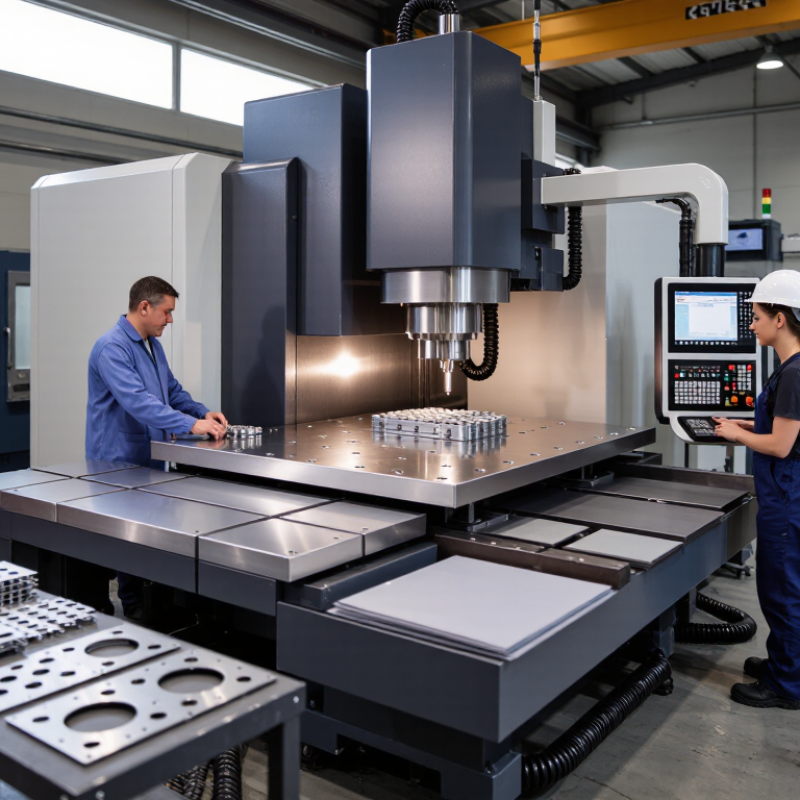
How to Choose a Punching Machine in 2026?

Define the Punching Machine Type and Its Intended Applications

Before comparing punching machines, define the work they must perform. A CNC turret punch suits sheet metal with repeated holes, slots, and formed features across varied layouts. A single-station press can be more practical for a small set of recurring operations. For thick plate or high-force work, evaluate a hydraulic or mechanical press against the material and required cycle rate. These categories overlap, so confirm the machine’s actual capacity and tooling range.

Match the machine to the material, thickness, part size, and expected production volume. For example, punching 1.5 mm stainless steel into a panel with closely spaced holes calls for different tooling and force than making a few large openings in mild steel. Check the manufacturer’s rated capacity at the materials you use, not only its maximum tonnage. Ask how tool changes, sheet positioning, and scrap removal work on a typical job.

Also consider tolerance, noise, floor space, and operator skill. A fast machine may not be the best choice if setup takes longer than production. I have seen selection discussions focus on speed while overlooking the time needed to change tools. That detail matters. If your part mix is still changing, leave room for uncertainty and test representative parts before committing. One sample sheet can reveal burrs, distortion, or layout limits that a specification sheet may not show.

Identify Material, Thickness, Hole Pattern, and Production Volume

How to Choose a Punching Machine in 2026?

Start with the sheet. Identify whether you will punch mild steel, stainless steel, aluminum, or another material. Each behaves differently under force. Stainless steel, for example, may need more punching capacity than a similar thickness of mild steel. Check the machine’s rated capacity for your actual material, not just its maximum figure. That matters.

Measure the thickest and thinnest sheets you expect to process. A machine sized only for today’s work may struggle with a future order. Also consider sheet dimensions and how operators will position each piece. A quick specification check can miss awkward handling needs. Leave a sensible capacity margin, but avoid paying for capacity your shop rarely uses.

Map the hole pattern before choosing tooling. Note hole shapes, diameters, spacing, and how often patterns change. Closely spaced holes may require careful tool layout to prevent distortion or collisions. Run a sample. Inspect its edges and dimensions, then ask how long setup takes. Production volume changes the decision: occasional batches may favor flexibility, while repeated runs need reliable cycle speed and quick tool changes. Small batches differ. I would compare a realistic shift’s output, not a brochure’s best-case rate. Check maintenance access and operator training, too.

How to Choose a Punching Machine in 2026? Identify Material, Thickness, Hole Pattern, and Production Volume

Typical Application Material and Thickness to Check Hole Pattern and Part Size Indicative Production Volume Machine Type to Consider Key Selection Checks
Labels, thin covers, and small brackets Aluminum or mild steel sheet, approximately 0.5–1.5 mm Small round or square holes; simple, repeated patterns; compact blanks Low volume: up to about 500 parts per shift Manual or benchtop punch for simple work; compact hydraulic punch for more frequent operation Confirm the tool matches the material and hole size. Check throat depth, workpiece positioning, and guarding.
Electrical enclosures and control-panel parts Mild steel, stainless steel, or aluminum sheet, commonly 1–3 mm Multiple round, square, or rectangular openings; repeatable layouts; moderate blank size Medium volume: about 500–2,000 parts per shift Hydraulic punching machine or CNC turret punch, depending on pattern complexity and changeover frequency Check punching force for the material and thickness, usable sheet area, tool availability, and setup time.
Cabinet panels, shelving, and equipment housings Mild steel or stainless steel sheet, commonly 1.5–4 mm Several hole sizes, slots, and formed features; larger panels or batches with changing layouts Medium to high volume: about 1,000–5,000 parts per shift CNC turret punch for varied patterns and repeatable positioning; hydraulic systems may suit simpler, dedicated jobs Review sheet handling, repositioning needs, tool-change method, and the minimum spacing between holes and sheet edges.
Busbars and conductive components Copper or brass flat stock; thickness and width depend on the part design Accurate round or oblong holes, often in linear patterns; hole position may be critical for assembly Low to high volume, depending on whether parts are custom or standardized Dedicated hydraulic busbar punch for repeatable flat-stock work; programmable equipment for varied hole locations Use tooling intended for the material and stock shape. Verify workpiece support, hole-position accuracy, and edge-distance requirements.
Thicker brackets, plates, and structural components Mild steel plate, roughly 4–10 mm or more, subject to machine and tooling limits Larger holes or repeated patterns in heavier, more rigid workpieces Low to medium volume: typically job-dependent Heavy-duty hydraulic punching machine or a process specifically rated for the required plate thickness Obtain a capacity check for the exact material, thickness, hole diameter, and die clearance. Do not select by nominal tonnage alone.
High-mix production with frequent design changes Material and thickness vary by job; each range must be checked against machine capacity Mixed hole shapes and sizes, changing layouts, and frequent new programs Volume varies; flexibility and setup time may matter more than peak output CNC turret punch or another programmable punching system suited to the required tool range Compare programming workflow, tooling flexibility, setup time, part handling, and the machine’s limits for each material-thickness combination.

Selection note: Thickness and production figures are indicative planning ranges, not guaranteed machine ratings. Actual capacity and cycle time depend on material grade, tensile strength, hole geometry, tooling, layout, and part handling. Confirm the proposed setup with the machine supplier and tooling specifications before purchase.

Compare Punching Methods, Capacity, Accuracy, and Automation

How to Choose a Punching Machine in 2026?

Compare punching methods, capacity, accuracy, and automation before buying. Mechanical presses suit fast, repetitive work; hydraulic machines offer flexible stroke control for varied materials. Servo-electric systems can adjust motion and reduce idle energy, but their value depends on your production mix. Match the method to the job, not the sales brochure. For capacity, estimate force from cut perimeter, sheet thickness, and material shear strength, then follow the machine maker’s rating and safety margin. A 3 mm stainless sheet with many small holes can demand more than its appearance suggests.

Accuracy depends on more than the machine’s stated tolerance. Check frame rigidity, tool clearance, sheet support, and repeatability across a full production run. Ask for test results using your material and part layout. Watch a sample cycle. Tiny burrs matter. Automation can improve consistency, but loading systems, sensors, and programming also add setup demands.

The International Federation of Robotics’ World Robotics 2024 report recorded 4.28 million industrial robots operating worldwide in 2023, a 10% annual increase—evidence of broader factory automation, not a guarantee of payback for every shop.

Tips: Bring a real drawing and material sample to machine trials. Compare cycle time, hole-position variation, scrap, and changeover time. One detail is easy to miss: complicated nesting may slow output more than punching speed helps. Recheck your assumptions.

Assess Tooling, Safety Features, Maintenance, and Operating Costs

Choosing a punching machine in 2026 starts with the work, not the catalogue. Match capacity and throat depth to your thickest material, hole pattern, and largest sheet. Check how quickly punches and dies can be changed, whether replacement tooling is readily available, and how alignment is verified. A low-cost tool set can produce expensive scrap. Small details matter.

Inspect safety features at the machine. Check guards, interlocks, emergency stops, and safe access for clearing jams.
The U.S. Bureau of Labor Statistics reported 2.8 recordable injury and illness cases per 100 full-time workers in manufacturing in 2023.
This is a sector-wide figure, not a punching-machine risk estimate. Still, it is a reason to examine safeguards and test stopping behavior during acceptance.

Estimate operating costs across a full shift: tooling wear, setup labor, electricity, lubrication, filters, and downtime. The U.S. Department of Energy’s Improving Motor and Drive System Performance report notes that motor-driven systems account for about 69% of U.S. manufacturing electricity use. That figure is not a press-specific forecast; measure the machine’s energy use under your actual workload. Compare machine types against your job mix, then ask for maintenance intervals, spare-part lead times, and service records. Not just price. I would still want to see a production run; specifications rarely reveal every awkward changeover.

Match Machine Specifications to Your Budget and Future Needs

A punching machine should fit the parts you make now, not just the largest job on your wish list. List material type, thickness, blank size, hole diameters, and expected daily volume before comparing models. Ask for rated capacity at the actual punching position; usable force can vary with the distance from the ram center. Small details matter.

Build the budget around more than the purchase price. Include tooling, setup, electrical work, operator training, maintenance, and feeding or unloading equipment. Compare cycle speed using your real hole pattern, not an ideal test sheet. A faster rating may mean little if frequent tool changes slow production. Leave room. But avoid paying for automation your team cannot support yet.

For future needs, check whether the machine can accept additional tools, handle more material types, or connect to planned production systems. Request a sample run using your own material and drawings, then inspect hole quality, burrs, repeatability, and noise. Ask what routine service requires and how quickly common wear parts can be obtained. One forecast may still be wrong: growth estimates often change. Choose upgrade options you can verify, and record the machine’s limits in the quotation.

How to Choose a Punching Machine in 2026?

Match machine specifications to your budget and future needs by estimating the force required for your most demanding punching job.

How to use this chart: Estimates assume a 10 mm round hole in mild steel with an assumed shear strength of 250 MPa. Cutting force is calculated as hole perimeter × sheet thickness × shear strength. Actual requirements vary with material, tooling, and clearance. Choose a machine whose rated force is sufficient at the required stroke, and allow for stripping force and your planned production growth.

Go to Top