What Are PE Gloves Used For?
Pe Gloves are lightweight, disposable gloves made from polyethylene, a flexible plastic used for quick, low-contact tasks. You may see them at food counters, in kitchens, during basic cleaning, or when handling items that need a simple hand barrier. They are easy to put on and remove. That convenience is the point. Their loose fit, however, can make precise work harder, especially when handling small tools or slippery objects.
So, what are PE gloves used for, and when are they the wrong choice? They can help limit direct contact between hands and food, surfaces, or products, but they do not provide complete protection. A thin glove may tear, shift, or leave the wrist exposed. Not ideal for every task. The right choice depends on what is being handled, how long the gloves will be worn, and the product’s stated use. For tasks involving heat, sharp edges, strong cleaning agents, or close-fitting hand control, check the manufacturer’s guidance and relevant workplace procedures instead of assuming PE gloves are suitable.
This guide explains common uses, material features, practical limitations, and points to check before choosing a pair. Details matter: a glove that works for briefly serving bread may feel awkward during detailed preparation. Even a small mismatch can affect comfort and handling. PE gloves are simple, but simple does not mean universal. Understanding their strengths—and their gaps—helps users make a more informed choice.
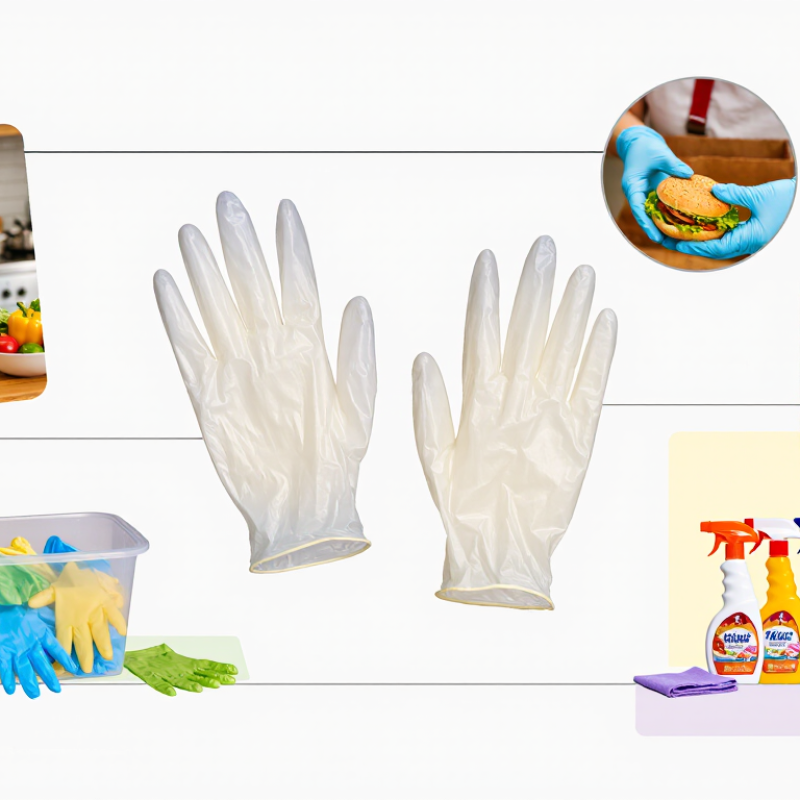
What PE Gloves Are: Polyethylene Film and FDA 21 CFR 177.1520
PE gloves are made from thin polyethylene film, a lightweight plastic that can form a simple barrier between hands and products. The material is often loose-fitting and easy to put on or remove. At a deli counter, for example, a worker might use them briefly to handle a sandwich, then change gloves before another task. They are useful for basic hygiene, not a substitute for handwashing. They also offer limited protection from heat, sharp edges, and many chemicals.
The reference to FDA 21 CFR 177.1520 matters because this regulation covers certain olefin polymers, including polyethylene, used in food-contact applications. It sets specifications and conditions for those materials. However, a reference to the regulation alone does not prove that every finished glove suits every food, temperature, or handling situation. Check the supplier’s compliance documentation and the glove’s intended-use instructions. Details matter. A glove suitable for brief contact with cold foods may not be suitable for hot or fatty foods under every condition. This distinction can be easy to overlook, especially when the film looks the same. When in doubt, verify the intended use rather than relying on appearance.
How Their Loose-Fit Design Suits Brief, Low-Risk Hand Tasks
What Are PE Gloves Used For?
PE gloves are often chosen for brief, low-risk tasks where speed matters more than a close fit. Their loose shape makes them quick to pull on and remove, especially when hands need changing between short jobs. In a deli, for example, a worker might use them to portion bread or arrange ready-to-serve items. They can also help keep fingerprints and light surface dirt off objects during simple handling.
They are not designed for precision. The thin material may wrinkle at the fingertips, making small items harder to grip. That can be frustrating. For a quick task, though, the roomy fit may feel more convenient than a snug glove. PE gloves should not be treated as reliable protection from heat, sharp edges, or hazardous liquids. Check the product’s intended-use information, and follow workplace hygiene procedures. Change gloves when they become soiled or torn, and wash hands as required. A glove is useful, but it does not make poor handling practices safe.
Where They Are Used: FDA Food Code §3-304.15 on Single-Use Gloves
What Are PE Gloves Used For?
Where They Are Used: FDA Food Code §3-304.15 on Single-Use Gloves
Polyethylene (PE) gloves are often used for brief food-handling tasks, such as assembling sandwiches or portioning ready-to-eat items. Their loose fit makes them quick to put on and remove. They can help keep direct hand contact away from food, but they do not replace handwashing. A clean glove can still become contaminated.
FDA Food Code §3-304.15 says single-use gloves should be used for one task only, then discarded. For example, a worker handling ready-to-eat lettuce should change gloves before switching to raw meat. Gloves must also be discarded if they become damaged or soiled, or when an interruption occurs. The Food Code is a model code; local requirements and workplace procedures may differ. Check the rules that apply to your location. In a busy kitchen, this step can be easy to overlook.
Tips: Change gloves between tasks. Wash hands before putting on a new pair. Keep glove boxes near workstations, not beside sinks where they may get splashed. If a glove tears, stop and replace it before handling food again.
Which Hazards They Do Not Control: OSHA 29 CFR 1910.1030
Polyethylene (PE) gloves are thin, loose-fitting gloves often used for brief, low-contact tasks. Their limits matter when blood or other potentially infectious materials may be present. Under OSHA 29 CFR 1910.1030, employers must provide appropriate personal protective equipment when occupational exposure is expected. The rule does not approve one glove material for every task. A PE glove may be unsuitable if it tears, slips, or fails to keep contamination from reaching the hands. Check the task and glove specifications, not just the material name.
PE gloves do not reliably control puncture hazards from needles, broken glass, or sharp tools. They also should not be assumed to protect against chemicals, high heat, or abrasion; protection depends on the glove’s tested use and the exposure. Thin film can split at the fingertips.
That detail is easy to miss. For blood or other potentially infectious materials, use gloves selected for the actual exposure, and replace disposable gloves when contaminated, torn, or damaged. Gloves do not replace handwashing or safe sharps practices.
A quick task can still create a real exposure.
How to Choose and Change Them: Task Risk, Fit, and Food-Code Hygiene
PE gloves are commonly used for brief, low-risk tasks, such as portioning bread or handling produce. Their loose fit makes them quick to put on, but less suitable for work requiring precise grip. Match the glove to the task. If a job involves heat, sharp edges, chemicals, or heavy cleaning, choose protection rated for that hazard instead. A thin plastic glove is not a universal barrier. Check that the glove covers the hand without slipping off during normal movement.
Choose a size that lets you open a container and pick up a small item without constant adjustment. Change gloves when they tear, become visibly dirty, or you switch between tasks that could transfer contamination. For example, remove them after handling raw ingredients before touching ready-to-eat food. Wash hands before putting on a fresh pair; gloves do not replace handwashing. Follow the food-safety rules that apply to your workplace, since requirements can differ. It is easy to feel protected just because a glove is on. That confidence can be misplaced.
When to Change or Discard Single-Use Gloves
PE gloves are commonly used for brief, low-risk food-handling tasks. Choose a comfortable fit that allows the task to be done safely; change gloves when any listed food-safety trigger occurs.
Each bar marks a change-or-discard trigger, not how often it occurs. FDA Food Code guidance says gloves are for one task and should be discarded when damaged, soiled, or when work is interrupted. Wash hands before putting on new gloves; gloves do not replace handwashing.