What Is a Solar Home System and How Does It Work?
At sunrise, a rooftop panel begins turning daylight into electricity. A small light glows, a phone charges, and a radio runs without a noisy generator nearby. This is the practical promise of Solar Home Systems: local power for households beyond reliable grid connections, or for people seeking backup electricity. The equipment may look simple, but each part has a specific job.
A typical system includes solar panels, a charge controller, a battery, and sometimes an inverter. Panels produce direct-current electricity; the controller manages charging and helps protect the battery. Stored energy can power compatible lights and appliances after sunset. An inverter converts electricity for devices that need alternating current. Small systems may use direct-current appliances instead, which can reduce conversion losses. It depends.
System size matters. A family using lights and phone chargers needs less energy than one running a refrigerator or water pump. Weather, shade, battery condition, and daily habits all affect performance. A cloudy week can expose an undersized battery faster than a sunny-day demonstration suggests. That detail is easy to overlook.
This guide explains how Solar Home Systems work, what their components do, and how to assess a suitable setup. It also considers costs, maintenance, and limitations. Solar power can improve access to dependable electricity, but it is not automatically effortless or maintenance-free. Careful sizing and realistic expectations make the difference.
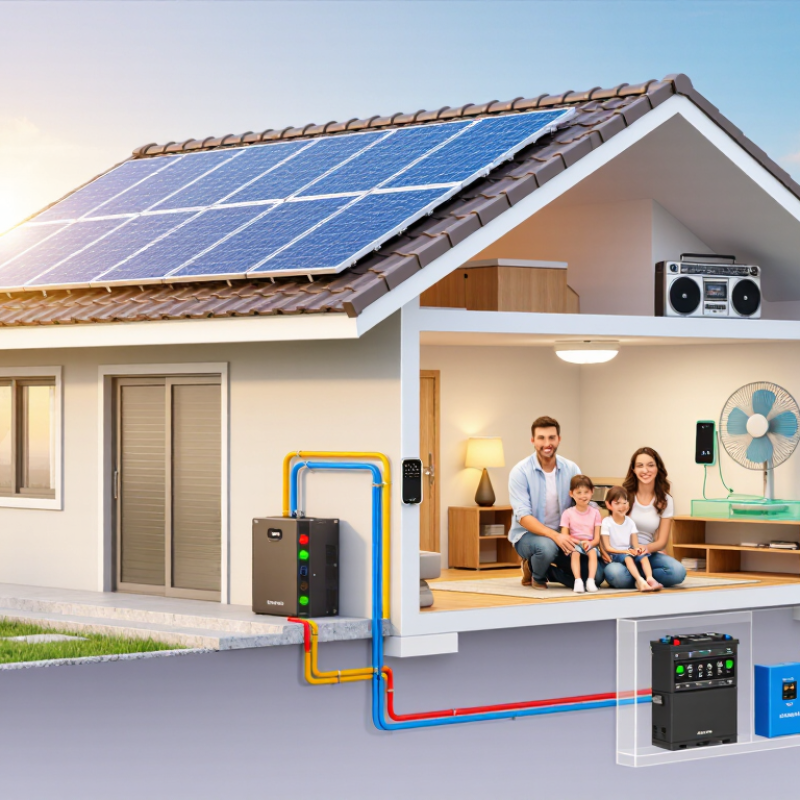
What a Solar Home System Is
A solar home system is a small, standalone electricity supply for a house, often used where grid power is unavailable or unreliable. It typically includes a roof-mounted solar panel, a charge controller, a battery, and wiring for lights and small appliances. In daylight, the panel converts sunlight into electricity. The controller manages charging, while the battery stores energy for evening use. Simple, but not limitless.
The system’s size determines what it can run. A modest setup may power LED lights, phone charging, and a small radio; larger systems can support a fan or television. Output changes with panel angle, shade, weather, and battery condition. The World Bank and other agencies reported that about 685 million people lacked electricity access in 2022 in Tracking SDG 7: The Energy Progress Report 2024. Standalone solar can help fill that gap, though a poorly matched battery may leave a household short after cloudy days.
Tips: List the appliances you actually use, their wattage, and daily running hours before choosing a system. Keep panels clear of leaves and avoid shading from nearby branches. Check the battery’s usable capacity, not only its headline rating. Real households often change their habits; sizing still involves a little guesswork.
The Main Components of a Solar Home System
A solar home system converts sunlight into electricity for everyday loads, such as lights, a refrigerator, and phone chargers. Solar panels produce direct-current electricity; roof angle, shade, dust, and hot afternoons can all affect their output. Mounting rails hold the panels securely, while a charge controller regulates power flowing toward the battery and helps prevent damaging overcharging.
That part matters.
The controller’s settings must match the battery type and system voltage, a detail easy to overlook. A battery stores surplus energy for evening use or cloudy periods, though its usable capacity is lower than its label may suggest. An inverter converts direct current into the alternating current used by household appliances; some systems connect to a utility grid.
Cables, appropriately rated fuses, and disconnect switches carry and isolate electricity; correct sizing reduces voltage loss and supports safer maintenance. A small display may show battery level and power flow, but readings are estimates, not a promise of runtime.
Real homes vary.
A qualified installer should check load demand, cable routes, ventilation, and protective devices before commissioning the system.
How Solar Panels Generate Electricity
When sunlight reaches a solar cell, photons transfer energy to electrons in its semiconductor material. An internal electric field pushes those charges in one direction, producing direct-current electricity. Many cells form a panel, and panels are wired together to supply more power. The basic idea is simple. The details matter.
A home system’s inverter changes the panels’ direct current into alternating current for household circuits. A battery can store excess electricity, but it is not required for panels to generate power. Output changes with sunlight, panel temperature, shading, and orientation. A small shadow across one section can reduce production more than expected. Real roofs are rarely perfect test sites.
The scale is substantial: the IEA Photovoltaic Power Systems Programme reported more than 1.6 terawatts of installed solar PV capacity worldwide by the end of 2023 in its Trends 2024 report. That figure describes capacity, not electricity produced every hour. IEA PVPS also notes that deployment differs across markets, so global totals cannot predict one home’s output. A practical estimate needs local sunlight data and roof measurements. I would treat any single production estimate as a starting point, not a promise.
How Batteries and Controllers Manage Power
In a solar home system, the controller directs electricity from the panels to the battery and household loads. It monitors voltage and current, then limits charging to help prevent overcharging. Many controllers also disconnect loads when battery voltage falls too low. The battery stores daytime surplus for evening lights, phone charging, or cloudy hours. That matters. A controller cannot create energy; it can only manage what the panels collect and the battery can safely deliver.
Battery capacity and controller settings should match the household’s actual use. A small mismatch can mean lights go out early, even when the panels look adequate. IRENA’s Renewable Power Generation Costs in 2023 reports that utility-scale battery storage costs fell 89% from 2010 to 2023, reaching USD 139 per kilowatt-hour. This is not a household-system price, but it shows how storage costs have changed. The IEA’s Batteries and Secure Energy Transitions report notes that global battery storage additions more than doubled in 2023. Those figures describe a fast-moving sector, not a guarantee of long battery life at home. Dusty panels, hot rooms, deep discharges, and loose connections can still reduce performance. A quick check of charge indicators helps, though it does not replace proper system sizing or maintenance.
How Solar Home Systems Supply Household Needs
A solar home system supplies household electricity by collecting sunlight, storing energy, and delivering power to selected appliances. Solar panels produce direct current during daylight. A charge controller manages the flow to the battery and helps prevent unsafe charging. An inverter converts stored direct current into the alternating current used by many household devices.
In practical use, the system may run lights, phone chargers, a fan, or a small television. A family might charge phones in the afternoon, then use a battery-powered light after sunset. The available energy depends on panel size, battery capacity, sunlight, and daily habits. Cloudy weather can reduce production. Usage matters. Running several high-power appliances at once may drain a small battery quickly.
Good planning starts with listing the appliances and estimating how many hours each runs. Refrigerators and water pumps can require much more energy than LED lights, so they need careful sizing. A display showing battery charge can help households adjust use, though it is not a perfect forecast. Wiring, ventilation, and installation quality also matter; poor setup can reduce performance or create hazards. Even a well-designed system has limits, and families may need to choose which appliances get priority on low-sun days.