What Are the Top Types of Back Stretcher Boards?
Low back discomfort affects people across occupations, ages, and activity levels. The World Health Organization’s 2023 low back pain fact sheet estimates that 619 million people experienced low back pain in 2020. It projects that number could reach 843 million by 2050. Those figures describe a major health burden, not proof that a stretching device can treat or prevent back pain. That distinction matters.
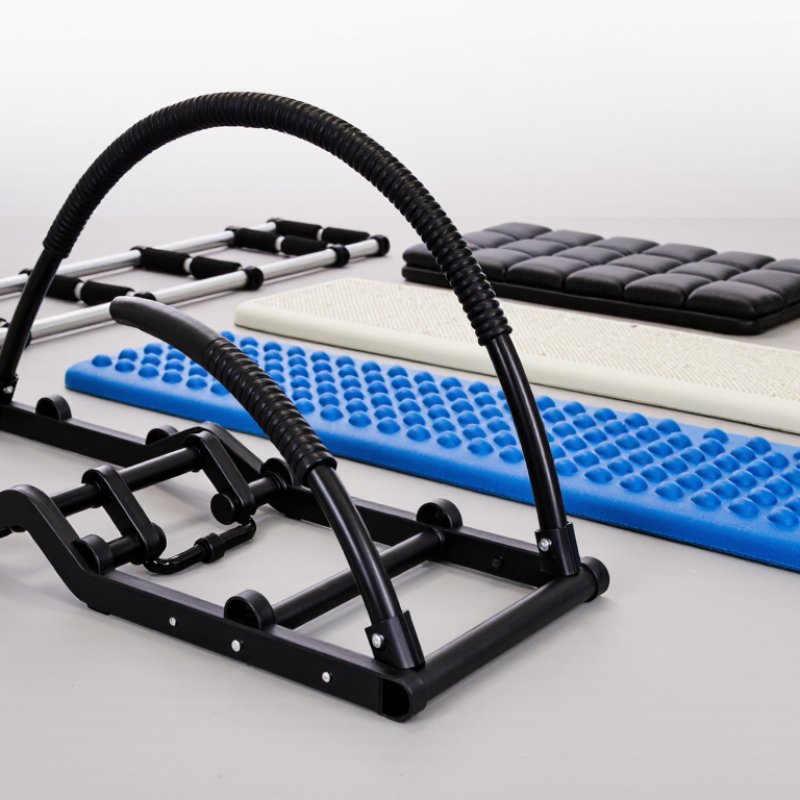
A Back Stretcher Board is a broad product category, not one standard design. Some models use a curved, adjustable arch; others add raised massage points or a firmer, flatter support surface. Traction-style boards are another option, though their setup and intended use can differ substantially. This guide compares the main types by design, adjustability, materials, and practical features, such as how securely a board sits on the floor. Small details count. A rigid arch may feel very different from a flexible one, and a higher setting is not automatically better. Product descriptions can also make benefits sound more certain than the evidence supports. WHO population data cannot tell us which board suits a particular person. Readers should consider comfort, instructions, and individual health needs, and seek professional advice when symptoms are severe or persistent. The categories below offer a clearer starting point for comparing products, with room for a little healthy skepticism.
What a Back Stretcher Board Is and How It Works
A back stretcher board is a curved support placed beneath the back while a person lies face-up. Its raised center contacts the spine area, while the ends support the torso. As the body settles over the arch, gravity encourages a gentle backward bend. The board does not actively pull vertebrae apart or guarantee spinal “realignment.” Small distinction, but an important one.
Common designs use a fixed arch or adjustable height settings. Some include raised contact points, which may feel intense on tight muscles.
Start with the lowest setting and a short session, then stop if pain, numbness, or tingling appears. A board is not suitable for every cause of back pain, and it should not replace clinical advice when symptoms persist or worsen.
The World Health Organization’s 2023 low back pain fact sheet reports that about 619 million people experienced low back pain in 2020, with projections reaching 843 million by 2050.
That figure describes the scale of the problem, not proof that stretcher boards treat it. Their effect depends on the person, the condition, and how the device is used. A little skepticism helps.
Key Features That Distinguish Back Stretcher Boards
Back stretcher boards differ most in their curve, adjustment options, and support surface. A shallow arch creates a gentler opening, while a higher arch places the lower back in a more pronounced extended position. More height is not automatically better; comfort depends on body shape, mobility, and how the board is used. Many models include stepped settings, letting users begin with a lower curve and adjust gradually.
Small details matter. Check that the board sits flat on the floor and has a stated weight capacity. A non-slip base can help prevent movement, especially on smooth flooring. Firm plastic is common and easy to wipe clean, but it may feel hard against the spine. Foam padding can soften contact, though thick padding may reduce the feeling of support. Raised ridges or pressure points are another design choice; they can feel intense, so they are not suitable for everyone.
Size and portability also distinguish boards. A compact model fits under a desk or in a travel bag, but may offer less surface area for broader backs. A wider board can feel more stable, though it takes up more space. There is no perfect setting for every day; a position that feels comfortable once may feel too strong later. Start gently, follow the product instructions, and stop if use causes pain, numbness, or worsening symptoms. A board is a stretching aid, not a diagnosis or a substitute for professional advice.
How the Main Board Types Compare
What Are the Top Types of Back Stretcher Boards?
How the Main Board Types Compare
Rigid arched boards, foam boards, and inflatable models offer different kinds of support. A rigid board holds a fixed curve, so its pressure feels predictable but may be intense for beginners. Foam models feel softer against the back, though they can compress under body weight. Inflatable boards let users adjust firmness and pack easily, but they depend on careful inflation and stable placement. No type fits everyone. A board that feels comfortable on a carpet may feel too forceful on a hard floor.
The World Health Organization reported that low back pain affected 619 million people worldwide in 2020, with cases projected to reach 843 million by 2050. This figure describes the scale of the problem, not proof that stretcher boards treat it. Direct, high-quality comparisons between board types remain limited. That gap matters. Comfort, body shape, mobility, and the reason for back pain can all change how a board feels. Treat product claims cautiously, and ask a qualified clinician for guidance if symptoms persist or worsen.
Tips: Start with a soft surface and brief sessions. Keep your movements slow; stop if you feel sharp pain, tingling, or numbness. Check that the board sits securely before lying back. A small detail—like a slippery floor—can change the experience.
Factors to Consider When Choosing a Back Stretcher Board
Choosing a back stretcher board starts with fit, not the number of raised points. Measure the space available and check the board’s length and width against your body. If the edges press into your ribs or hips, the shape may not suit you. Fit matters. The board should feel stable on a firm, level floor and should not rock when you shift gently.
Check the material, surface, and adjustment options. A rigid board provides a different feel from a flexible one, while adjustable height can help you begin with a milder curve. Look for smooth edges and a surface that is easy to keep clean. More intense is not automatically better. It is easy to focus on the arch height, but comfort and controlled movement matter just as much. Start gently.
Consider how you plan to use it and whether its size is practical to store. Follow the maker’s instructions, and avoid forcing a stretch or bouncing on the board. If you have ongoing back pain, a recent injury, or a health condition, ask a qualified health professional before use. Stop if you feel sharp pain, numbness, or worsening symptoms. A board can feel pleasant one day and uncomfortable the next, so pay attention to your body rather than pushing through.
Top Types of Back Stretcher Boards
Typical design ratings for key selection factors
Ratings use a qualitative 1–5 scale, where 5 is higher. They describe common designs, not measured clinical outcomes; features vary by model. Consider adjustability, firmness, portability, and comfort when choosing a board.