
Blog

Why Choose Brass Pipe for Your Project?

Choosing a Brass Pipe is not merely a matter of selecting a golden-colored tube. The right choice depends on what the pipe will carry, its operating pressure, temperature, and connection type. Brass can offer useful corrosion resistance, machinability, and dependable joining options in suitable systems. But no material fits every application.

Metallurgist John R. Davis, editor of ASM’s Copper and Copper Alloys handbook, provides a useful technical foundation for evaluating copper alloys. A practical paraphrase of that material-selection approach is: “Match the alloy to the service conditions, not just the pipe dimensions.” Treat this as guidance, not a verbatim quotation. A project team should check the manufacturer’s specifications, applicable standards, and compatibility with the conveyed fluid before choosing an alloy. Details matter.

In practice, that means looking beyond the product label. Check wall thickness, pressure rating, temperature limits, fitting compatibility, and installation requirements. A pipe exposed to moisture or chemicals may need a different alloy than one used in a simple indoor water line. Brass Pipe can be a strong option when its properties suit the environment and maintenance plan. It is not automatically the best option. Even experienced buyers can miss small compatibility details, so verify them before ordering. A careful comparison can prevent leaks, premature wear, and costly rework. Start with the application, confirm the technical data, and ask the supplier for documentation when details remain unclear.
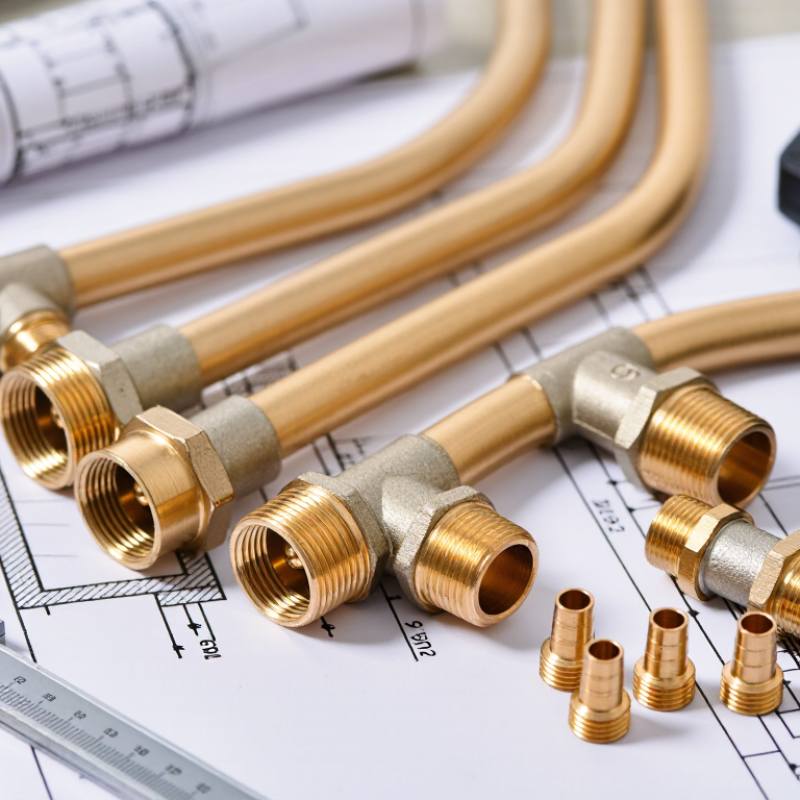
Why Choose Brass Pipe for Your Project?

What Is Brass Pipe and How Is It Made?

Brass pipe is made from a copper-zinc alloy, with its exact composition chosen for the intended service. One useful industry reference is the Copper Development Association’s C23000 alloy data: it specifies 84–86% copper, with zinc making up most of the remainder. ASTM B43 covers seamless red brass pipe made from this alloy. The composition matters. It influences strength, corrosion behavior, and how readily the metal can be formed.

Manufacturing commonly begins with a heated billet. A press pushes the metal through a die to create a hollow shape; drawing and sizing can then refine its diameter and wall thickness. Annealing may soften the metal between forming steps. Workers cut the pipe to length and check dimensions and surface quality. The process sounds tidy on paper. Actual sequences vary by product and mill, so specifications should be checked rather than assumed.

Tips: For a project, confirm the alloy, nominal size, wall thickness, and applicable standard before ordering. Look closely at the cut end: an even wall and clean finish are practical clues, not proof of compliance.

Which Properties Make Brass Pipe Stand Out?

Brass pipe stands out for balancing strength, workability, and resistance to corrosion. Its copper-zinc composition helps it tolerate everyday handling and many damp environments. It also conducts heat efficiently, which can matter in heating and fluid systems. Not indestructible.

The material is relatively easy to cut, thread, and form, making accurate connections practical on site. Its smooth internal surface can support steady flow, though performance still depends on pipe diameter, fittings, and installation quality. Brass also has a solid feel in the hand; that can make short sections easier to position without excessive flexing. Small details matter.

Compatibility deserves attention. Water chemistry, temperature, and the specific brass alloy can affect long-term performance, including the risk of dezincification in susceptible materials. I would not treat “brass” as one uniform specification. Check the alloy grade and intended service conditions, especially for potable water or demanding applications. Brass may also cost more than some alternatives, and it is not the lightest option. A project can still choose it for its practical balance, but the choice should follow the actual operating conditions.

Why Choose Brass Pipe for Your Project? — Which Properties Make Brass Pipe Stand Out?

Property What Makes Brass Stand Out Practical Project Benefit Important Consideration
Corrosion resistance Many brass alloys perform well in water and indoor plumbing environments, and the material can resist corrosion under suitable service conditions. Can be a durable option for plumbing, heating, and fluid-handling installations. Performance depends on alloy, water chemistry, temperature, and installation. Some waters can cause dezincification or other forms of corrosion.
Workability Brass is generally machinable and can be formed or joined using methods suited to the particular alloy and pipe specification. Can simplify cutting, threading, machining, and connection work in appropriately designed systems. Fabrication methods and allowable working pressures must follow the product specification and applicable codes.
Strength and durability Brass provides useful mechanical strength for many pipe applications, while remaining workable compared with some harder metals. Offers a balance of service durability and ease of installation for suitable projects. Strength varies by alloy, temper, wall thickness, diameter, and temperature; verify pressure ratings for the exact product.
Thermal conductivity Brass conducts heat, although generally less effectively than copper. Can transfer heat in applications such as heating components and fluid systems where the design accounts for heat loss. Thermal performance depends on alloy and geometry. Insulation may be needed where heat retention or burn protection is important.
Temperature capability Brass has a high melting range compared with many common non-metallic piping materials. Suitable brass products can serve in some hot-water and heating systems when selected for the operating conditions. The melting point is not a working-temperature rating. Check the manufacturer’s limits, joint type, and local requirements.
Connection options Depending on the product, brass pipe and fittings may be available for threaded, soldered, brazed, or other specified connections. Provides flexibility when integrating with compatible valves, fittings, and equipment. Use compatible materials and joining procedures. Account for galvanic corrosion risk when connecting dissimilar metals.
Appearance and maintenance Brass has a distinctive gold tone and may develop surface discoloration or patina over time. Can be suitable where visible pipework or fittings are part of the finish. Appearance changes with exposure and cleaning. Choose a finish and maintenance approach appropriate to the installation.
Drinking-water suitability Brass products are available in formulations intended for potable-water use. Allows brass to be considered for drinking-water systems when the exact product meets applicable requirements. Confirm lead-content limits, certification, and local plumbing-code compliance. Do not assume every brass alloy is suitable for potable water.

Selection tip: Confirm the alloy, dimensions, pressure and temperature ratings, drinking-water approvals, and compatibility with the fluid and connected materials before specifying brass pipe.

Where Is Brass Pipe Commonly Used?

Brass pipe is commonly used in domestic water lines, heating systems, marine plumbing, and low-pressure air or instrument lines. Its machinability makes threaded connections and compact fittings practical, while its corrosion resistance suits many indoor and sheltered installations. The International Copper Study Group’s World Copper Factbook 2024 identifies construction as a major copper end-use sector, accounting for about 28% of demand. That figure covers copper products broadly, not brass pipe alone, but it helps explain why copper alloys appear so often in building services. A brass pipe’s actual suitability still depends on water chemistry, pressure, temperature, and alloy grade.

In homes, brass sections may connect valves, meters, and fixtures where short, serviceable runs are useful. On boats, they can appear in selected plumbing and equipment connections, but saltwater exposure calls for careful alloy selection and inspection. Brass is also used in some HVAC and industrial instrument lines. It is not a universal choice: aggressive water can cause dezincification in susceptible alloys, and long runs may cost more than alternatives. Details matter.

Tips: Match the pipe grade to the fluid and operating conditions. Check applicable standards and manufacturer data, then inspect joints for leaks after installation. When uncertain, ask a qualified piping professional to verify compatibility.

Why Choose Brass Pipe? Common Uses and Standard Sizes

Brass pipe is commonly used in plumbing, marine systems, and industrial fluid applications. Its corrosion resistance and machinability make it useful for water-carrying systems and connections. The chart shows standard NPS sizes and their outside diameters; actual selection depends on the application and applicable codes.

Outside diameters shown are standard NPS dimensions, not inside diameters. Brass pipe dimensions are specified by applicable product standards, such as ASTM B43.

How Does Brass Pipe Compare with Other Materials?

Brass pipe occupies a practical middle ground between copper, stainless steel, and plastic options. It is generally more rigid than PEX and easier to machine for threaded connections. A plumber can cut and join it with familiar tools, which helps during repairs in cramped utility spaces. Small details matter: a clean thread and compatible sealant can prevent a slow drip behind a cabinet.

Copper is lighter and widely used for water lines, but brass can offer sturdy threaded sections and durable fittings. Stainless steel usually handles harsher corrosive conditions better, though it may cost more and require different joining methods. PVC and PEX resist rust and are often lighter to install, but their temperature and pressure limits depend on the specific product. Not always a simple choice.

Brass has limits. Certain water conditions can cause dezincification, weakening some alloys over time, so alloy selection matters. Check the pipe’s rated pressure, temperature range, and intended fluid before specifying it. For drinking-water systems, verify that its composition meets applicable requirements. Brass can be a sensible choice, but assuming every brass pipe behaves the same is an easy mistake.

What Factors Should Guide Your Brass Pipe Selection?

Choose brass pipe by starting with the job’s actual conditions, not appearance alone. Note the fluid, operating pressure, temperature range, and exposure to outdoor moisture or chemicals. These details help narrow the alloy and wall thickness. A pipe carrying warm water may face different demands from one used in a decorative, low-pressure assembly. Check the manufacturer’s pressure and temperature ratings for the exact size and alloy. Ratings can vary.

Next, confirm dimensions and connection type. Measure the pipe and fittings; nominal sizes do not always match outside diameter. A caliper can catch a mismatch before assembly. Consider how the system will be joined, supported, and accessed for maintenance. Brass is workable, but tight bends, vibration, or poorly supported runs can create problems over time. Small details matter.

Also assess water compatibility, corrosion risk, and any requirements for drinking-water use. Some waters can encourage dezincification, which weakens susceptible brass alloys; ask a qualified supplier about suitable grades when water chemistry is uncertain. Verify that the selected product meets applicable potable-water requirements. There may be a trade-off between cost, strength, and corrosion resistance. And the first choice is not always the best one. Recheck the specification against the real installation, especially where temperatures fluctuate or fittings will be difficult to replace.

Article Source:

Go to Top