Why Choose Permanent Hair Removal Equipment?
Choosing Permanent Hair Removal equipment is a decision about more than price or advertised power. The right system should match the people who will use it, the treatment setting, and the range of skin and hair types served. Laser and intense pulsed light devices work differently, so their specifications and suitable uses should be checked carefully. Look beyond a polished brochure. Review wavelength, spot size, pulse settings, cooling features, maintenance needs, and the manufacturer’s training and service support.
Results vary. Hair color, skin tone, treatment area, and growth cycle can all affect outcomes. Most light-based treatments aim for lasting hair reduction, not a guarantee that every hair will disappear forever. That distinction matters. Ask for credible clinical information and clear guidance on patient selection, eye protection, and safe operating procedures. A device that feels comfortable during a demonstration still needs proper training and consistent protocols. Even experienced teams should revisit them.
A practical choice balances performance with reliability over time. Consider how quickly the handpiece can treat a small area, how easy the controls are to understand, and whether replacement parts are available. Ask what happens when the machine needs service. These details can shape daily workflow as much as technical claims do. There may be no perfect device for every clinic. A careful comparison, supported by qualified advice and realistic expectations, can help buyers choose equipment that serves both practitioners and clients responsibly.
What Permanent Hair Removal Equipment Is and How It Works
Why Choose Permanent Hair Removal Equipment?
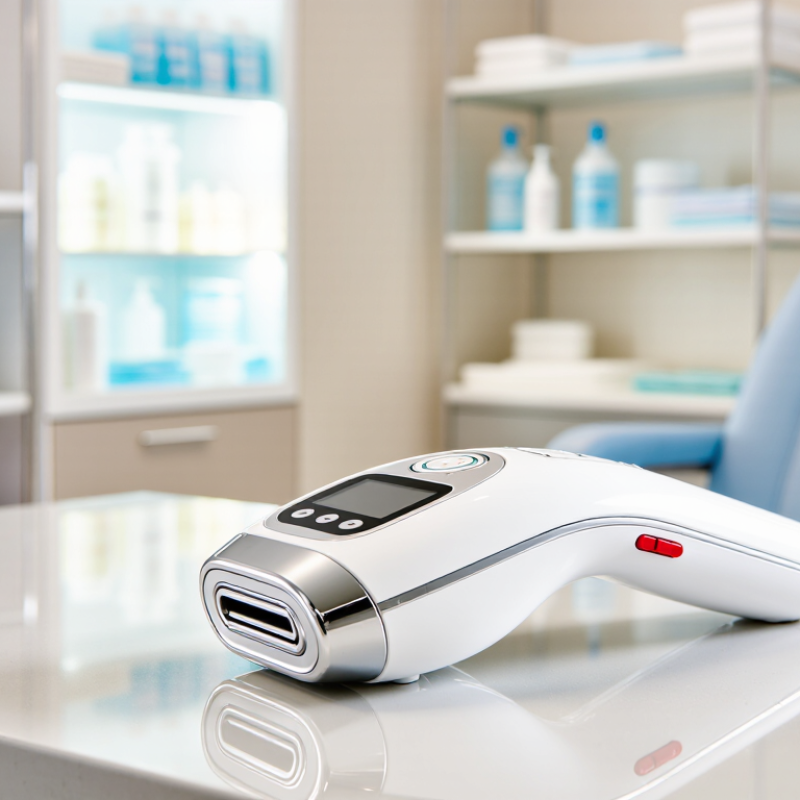
Permanent hair removal equipment uses focused light to reduce unwanted hair over repeated sessions. Laser systems deliver a specific wavelength; intense pulsed light (IPL) devices deliver a broader band of light. Melanin in the hair absorbs this energy, which heats and disrupts the follicle. The skin’s cooling system and carefully selected settings help protect surrounding tissue. Not magic.
Because hairs grow in cycles, one visit cannot effectively treat every follicle. Hair color, skin tone, treatment area, and device settings all affect results. The U.S. Food and Drug Administration describes permanent hair reduction as a long-term, stable decrease in regrowing hairs, assessed over follow-up—not a guarantee of zero regrowth. The American Society of Plastic Surgeons’ 2022 Procedural Statistics Report recorded about 1.08 million laser hair-removal procedures in the United States. That figure shows service volume, not proof that every device or treatment delivers the same outcome.
Tips: Check that equipment settings suit the person’s skin tone and hair color, and follow the device’s safety instructions. A small test area can reveal unexpected skin reactions. Keep records of settings and results; missed patches happen, and results deserve honest review.
How Hair Removal Technologies Reduce Regrowth
Why Choose Permanent Hair Removal Equipment?
How Hair Removal Technologies Reduce Regrowth
Hair removal technologies work by interrupting a follicle’s ability to produce strong new hair. Laser devices send concentrated light toward pigment in the hair shaft. The absorbed energy becomes heat and can damage the follicle’s growth structures. IPL uses a broader range of light, so settings and suitability matter. It is not magic. Skin tone, hair color, and hair thickness can affect results.
A single session rarely reaches every follicle at the right moment. Hair grows in cycles, and light-based treatments work best on hairs in an active growth phase. Repeated appointments, spaced several weeks apart, can target more follicles as they enter that phase. Treated areas often show slower growth, finer strands, and patchier regrowth. Some hairs may return. Hormonal changes can also affect growth, so lasting reduction does not guarantee complete removal.
Electrolysis takes a different approach: a fine probe treats follicles individually. It can suit a range of hair colors, though sessions may take longer. A qualified practitioner should assess your skin and hair, select appropriate settings, and explain likely limits. Ask about eye protection, cooling, and a small test area, especially if your skin tans easily or marks after irritation. Comfort and consistency matter. Results vary, and honest follow-up is part of good care.
Why Choose Permanent Hair Removal Equipment?
How hair-removal technologies reduce regrowth by targeting follicles during the active growth phase.
About 85–90% of scalp hairs are in anagen, 1–2% in catagen, and 10–15% in telogen. Laser and IPL treatments target pigment in actively growing hairs; repeated sessions help catch follicles as they enter this phase. These figures describe scalp hair, and body-hair cycles vary. Results differ by person and treatment.
Benefits Compared With Temporary Hair Removal Methods
Why Choose Permanent Hair Removal Equipment?
Benefits Compared With Temporary Hair Removal Methods
Shaving often means repeating the same routine every few days. Waxing lasts longer, but regrowth and irritation can still interrupt smooth skin. Permanent hair removal equipment, such as professional laser devices, targets follicles to reduce future hair growth over multiple sessions. Less daily upkeep. Not overnight.
The American Academy of Dermatology (AAD) reports that laser treatment can reduce hair by about 10% to 25% after one session. Most people need two to six treatments, with intervals planned around the hair-growth cycle. That takes time, but it may mean fewer razors, wax appointments, and ingrown hairs to manage. Results vary with hair color, skin tone, treatment area, and device settings.
There is an important distinction: laser treatment usually provides long-term hair reduction, not a guarantee that every hair will disappear forever. Some people need maintenance sessions, and outcomes are not perfectly predictable. AAD guidance recommends treatment by a qualified medical professional, since incorrect settings can cause burns or changes in skin color. Temporary methods remain useful for quick touch-ups; permanent hair removal equipment is better suited to people seeking a longer-term reduction in routine.
Factors to Consider When Choosing Equipment
Choosing permanent hair removal equipment means evaluating more than headline energy output. Match wavelength, pulse duration, spot size, and cooling to the intended skin tones and treatment areas. A device suitable for a small facial area may be slow on legs. Cooling matters. Ask for clinical evidence across relevant skin types, not just a single impressive case. The American Academy of Dermatology says most patients need two to six treatments; treatment intervals and results vary. Build realistic scheduling and maintenance into your cost calculation.
Check the evidence. The FDA’s guidance for powered laser products defines “permanent hair reduction” as a long-term, stable reduction in regrowing hairs, assessed at six, nine, and twelve months after treatment. That makes follow-up data more useful than a dramatic before-and-after image. Also review safety controls, operator training, service response times, and the cost of consumables. Request documented adverse-event procedures and a demonstration using realistic settings. Numbers on a brochure can look reassuring; they do not replace hands-on training. I would compare total operating costs over several years, though predicting repair needs is imperfect. Ask suppliers how performance is measured, and whether their evidence reflects your client population.
Safety, Maintenance, and Expected Treatment Results
Safety depends on the operator, the device, and careful preparation. The American Academy of Dermatology advises that most patients need two to six treatments, often spaced four to six weeks apart. Skin redness and swelling can follow; they commonly settle within one to three days. Eye protection matters. So does checking skin tone, recent tanning, and medicines that may increase light sensitivity before treatment. FDA guidance describes the intended outcome as permanent hair reduction, not guaranteed removal of every hair. Regrowth can happen, and results vary with hair color, skin tone, treatment area, and device settings.
Maintenance is part of responsible equipment use. Keep the treatment window clean, inspect cables and handpieces, and follow the manufacturer’s service and calibration schedule. Small cracks or inconsistent flashes deserve attention, not a workaround. AAD guidance notes that treatment schedules vary by area and individual response, so a fixed package cannot promise identical results for everyone. Some people need occasional touch-ups. That is less tidy than an advertisement suggests, but more realistic. Record settings, skin reactions, and dates; those details help a qualified provider adjust later sessions and recognize problems early.