Why Choose a Small CNC Machine for Your Business?
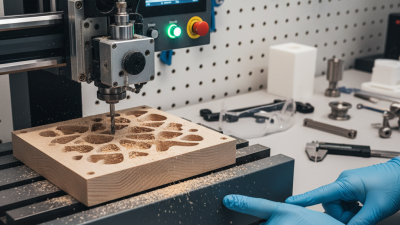
For a growing business, a small CNC machine can bring accurate, repeatable production within reach. It may fit beside a workbench, handle custom brackets, or cut replacement parts without sending every job elsewhere. Space is tight. So is the budget. But a compact footprint does not automatically mean lower operating costs.
Industry reports point to a broader shift toward digitally controlled production. Grand View Research estimated the global CNC machine market at US$101.22 billion in 2023, with projected growth of 5.3% annually from 2024 to 2030. Deloitte’s 2024 Smart Manufacturing Survey found that 86% of surveyed manufacturers expected smart manufacturing to be a primary driver of competitiveness within five years. These figures describe industry-wide trends, not guaranteed returns for a small shop. That distinction matters.
The practical case depends on the work. A compact machine may suit short runs, prototypes, and components that need consistent dimensions. It can also reduce waiting for outside suppliers. Yet the machine is only part of the investment: tooling, setup, maintenance, training, and material handling all take time and money. A small work envelope can become a real constraint when orders grow. Not every job fits. Before choosing, compare the machine’s travel, spindle capacity, software, and service support with actual parts and production targets. The best choice is not necessarily the smallest or cheapest; it is the one your team can use reliably, even on an ordinary busy Tuesday.
What Defines a Small CNC Machine?
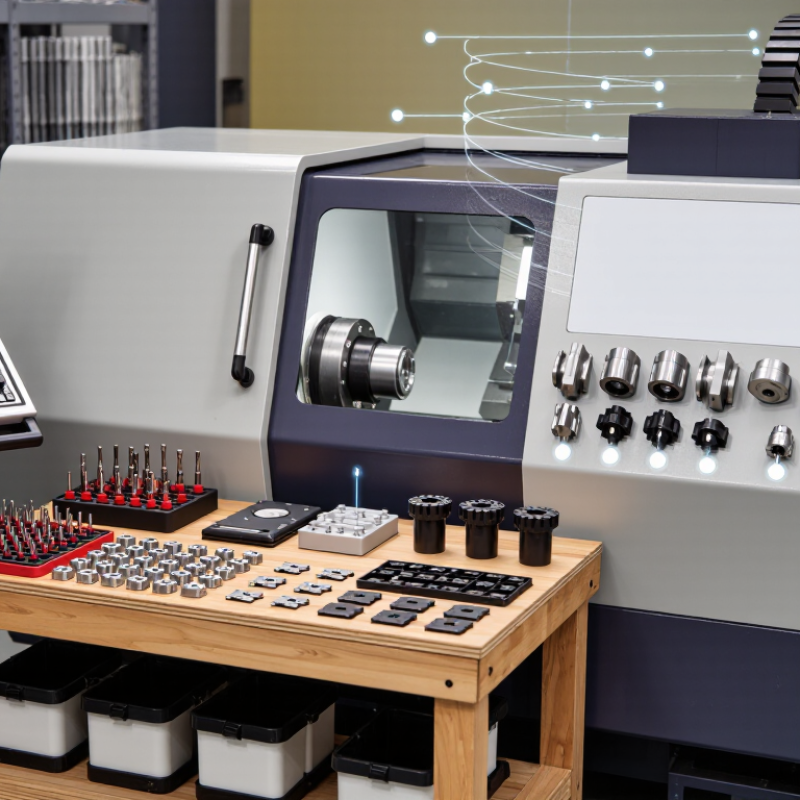
A small CNC machine is defined by its working envelope, footprint, and intended load, not by one fixed dimension. Shops often use “small” for equipment that fits through a standard doorway, takes up limited floor space, and handles compact parts. There is no universal cutoff. That can be frustrating.
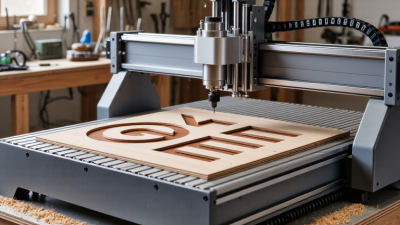
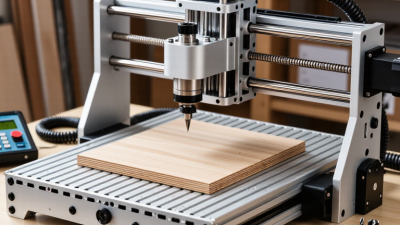
The work envelope is the machine’s usable travel along the X, Y, and Z axes. A benchtop mill might machine brackets, while a compact router may handle panels or signs. Check the stated travel against the space a vise or fixture will occupy. Exterior dimensions can be misleading. Enclosures, chip trays, and tool changers also need room.
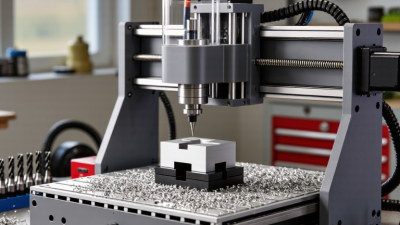
Size alone does not establish capability. Frame rigidity, spindle power, and axis movement influence accuracy and repeatability. A small aluminum part, for example, may require slower cuts if the frame flexes. Compare the materials, tolerances, and batch sizes you expect to run. Small equipment can suit a tight shop, though maintenance access may become awkward once it is installed. That detail is easy to overlook.
How Small CNC Machines Fit Business Needs
Why Choose a Small CNC Machine for Your Business?
How Small CNC Machines Fit Business Needs
A small CNC machine can make sense when a workshop needs repeatable parts but cannot spare floor space or a large capital budget. The U.S. Small Business Administration’s 2023 small-business profile reports that small firms represent 98.6% of U.S. manufacturing businesses. That scale matters: many shops must balance production with limited staff, space, and cash flow. A compact machine can handle brackets, panels, fixtures, or short production runs without dedicating a full production line. It may also let a team bring simple jobs in-house and reduce waiting on outside suppliers. But compact does not mean effortless. Tooling, programming time, extraction, and operator training still affect the real cost.
Before buying, measure the largest part you expect to make, then leave room for clamps, tool changes, and safe access. A machine that fits through the door may still be awkward to service. Think about the materials and tolerances your jobs actually require, not just the machine’s advertised capacity. One overlooked issue is workflow: if one person must program, load, inspect, and pack every part, a faster spindle may not solve the bottleneck.
Tips: Track a few weeks of outsourced jobs and record part size, material, setup time, and delivery delays. Ask a qualified supplier to demonstrate a representative part using your material. Keep the estimate honest; your first setup may take longer than expected. Small machines are useful, not magic.
Key Advantages in Cost, Space, and Operation
A small CNC machine can make automation more accessible without requiring a large production floor or a major facility redesign. It may fit beside an inspection bench, with tools and workpieces stored within easy reach. Smaller equipment can also reduce the initial investment, though the machine price is only part of the cost. Tooling, workholding, software, installation, and maintenance belong in the same budget. Measure the full setup first. A compact machine that cannot handle your largest part is not a bargain.
Operation can be simpler when repeat jobs run close to the people who inspect and finish them. In Deloitte and MAPI’s 2019 Smart Factory Study, 86% of surveyed manufacturers said smart factory initiatives would be a primary driver of competitiveness within five years. That finding supports investment in connected production, but it does not prove that a small CNC will pay for itself. The 2024 Deloitte and Manufacturing Institute report also projected that 1.9 million U.S. manufacturing jobs could go unfilled by 2033. A CNC may help teams use skilled labor more effectively; it cannot replace sound training or process planning. Still, check carefully. Compact machines have limits in work envelope, rigidity, and throughput, and those trade-offs deserve a real test with your parts.
Industries and Tasks Suited to Compact CNC Equipment
Compact CNC equipment suits businesses producing small parts, prototypes, and short runs where floor space is limited. Product-development studios can cut instrument panels, brackets, and test fixtures from sheet stock. Repair shops may machine replacement bushings or custom mounting plates without outsourcing every job. In schools and training labs, a smaller work envelope can make setup and toolpath checks easier to supervise. Space matters. These machines also handle engraving, drilling, and contouring when parts fit within their travel limits.
The best fit depends on material, tolerance, and workload. A machine configured for light aluminum cuts may not perform well during prolonged, heavy machining. Wood shops and makers of plastic components may value the compact footprint for repeatable, smaller jobs. Not every job fits. Large plates, tall workpieces, or continuous heavy cuts can exceed a machine’s rigidity, travel, or cooling capacity. Compare the largest part with usable table travel, and check tool access, chip removal, and dust extraction. A modest machine may still need a solid bench and careful leveling. That detail is easy to underestimate. Test representative materials and tolerances before relying on repeatable production.
Factors to Consider Before Choosing a Small CNC Machine
Before choosing a small CNC machine, match its working envelope to real parts, not the largest part you might make someday. Measure stock, fixtures, and tool clearance together. A compact machine can save floor space, but a crowded work area makes loading and maintenance awkward. Small is not simple.
Check spindle power, axis travel, tool capacity, and supported materials against your actual jobs. Then ask for sample cuts or a timed demonstration using similar stock. The 2023 Smart Manufacturing Survey reported that 86% of manufacturing executives viewed smart-factory solutions as a future competitiveness driver. That broader trend makes controls and data access worth checking, even for a small shop: confirm that operators can set offsets, retrieve programs, and diagnose alarms without extra systems. Useful details. Also check installation needs, service response, training, and the cost of tooling and workholding. The purchase price is only one line.
Plan for the operator, too. Can one person safely load a part, clear chips, and inspect the finished surface? I would not trust optimistic cycle-time estimates alone; real setups often take longer. Ask suppliers to explain their assumptions, and compare those estimates with your own past jobs. Leave some capacity for future work, but do not pay for features your team will never use. A little doubt helps.